LINCOLNSHIRE, Ill., Dec 4, 2025 – Modern vehicles like the Jeep® Renegade are fitted with sophisticated advanced driver assistance systems (ADAS), including adaptive cruise control (ACC), forward collision warning and lane monitoring. For independent shops, maintaining and recalibrating these systems during repairs presents both a challenge and an opportunity.
With Snap-on® diagnostic platforms, independent shop technicians can now access adaptive cruise control module special functions on the Jeep Renegade – tasks previously limited to OEM tools. This article outlines a complete workflow, technical insights and troubleshooting tips, helping shops deliver safe, professional and confident vehicle repair.

Typical Diagnostic Workflow
A structured calibration process ensures accuracy, efficiency and customer confidence:
• Pre-Scan: identify ADAS systems, retrieve fault codes and review TSBs for the Jeep Renegade
• Repair / Adjustment: replace or adjust components (radar, bumper, ECU, etc.)
• Static Recalibration: use Snap-on tools with John Bean® EZ-ADAS® or Tru-Point® to complete radar calibration
• Post-Scan: confirm successful recalibration, clear codes and save results for customer documentation
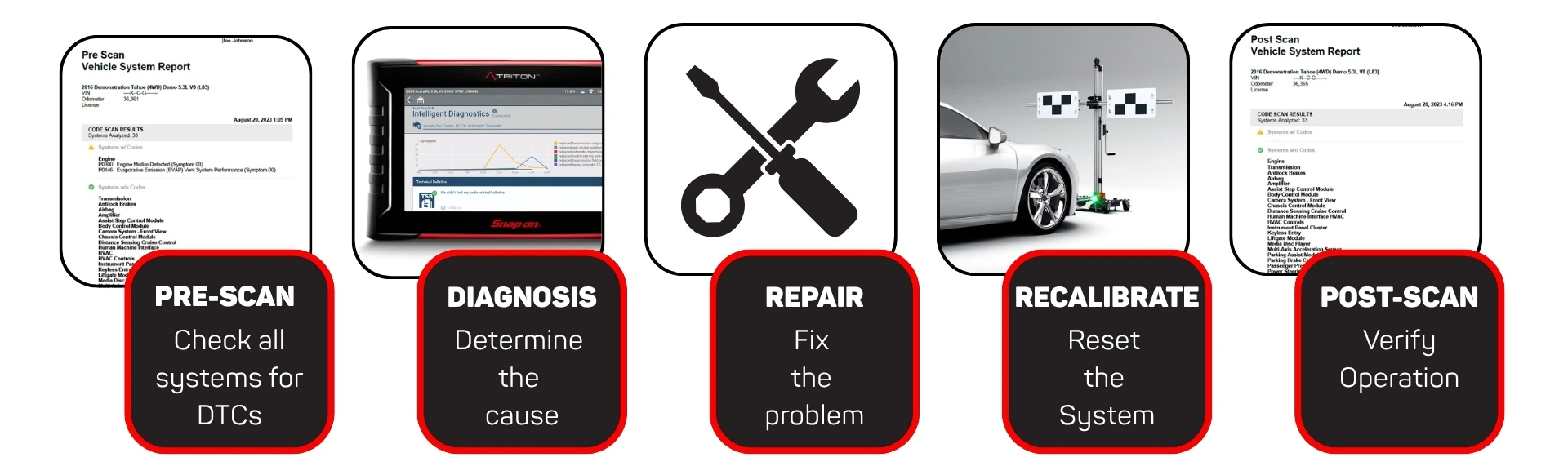
Even minor misalignments can cause hazards. Recalibration ensures systems function correctly. Each manufacturer has unique recalibration steps. Snap-on tools simplify this by delivering OEM-specific guidance tailored to the vehicle systems, reducing errors and saving time.
Types of ADAS Recalibration
Snap-on diagnostic tools support the full range of manufacturer-specified recalibration methods, with built-in step-by-step workflows:
• Static recalibration – uses physical targets or patterns in a controlled workshop environment. The tool communicates with the vehicle to verify sensor accuracy.
• Dynamic recalibration – performed on the road under specific speed, distance and traffic conditions. The tool provides live prompts and confirmation.
• Initialization – required after new component installation, setting baseline system parameters to restore function.
Why a Pre- and Post-Scan Matters
Before any ADAS-related repair or calibration, always perform a full system scan.
Key benefits:
• Identify all fitted ADAS systems and any existing diagnostic trouble codes (DTCs).
• Provide clear, documented proof of system status before and after repair. Verifying the repair is useful when providing evidence to customers and insurance companies.
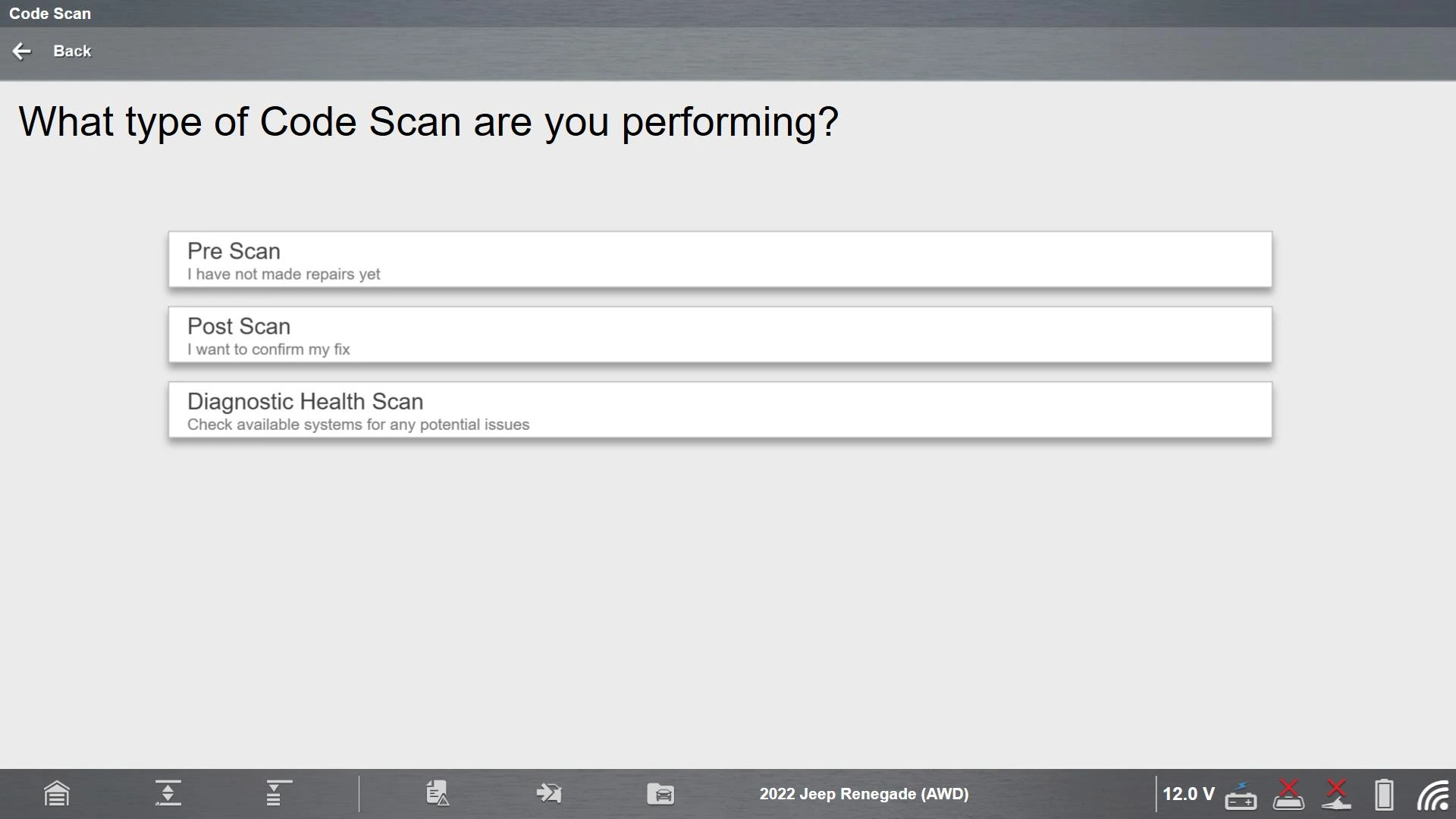
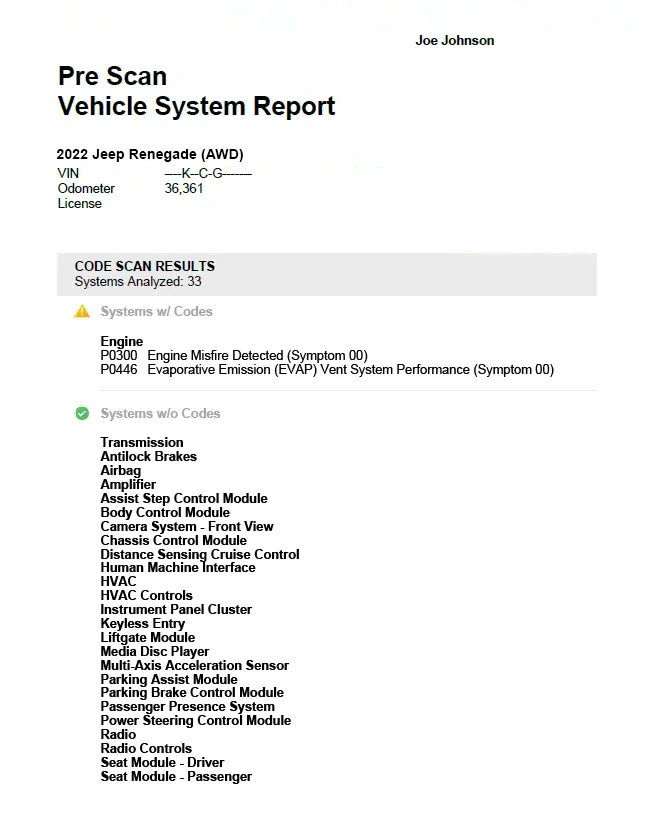
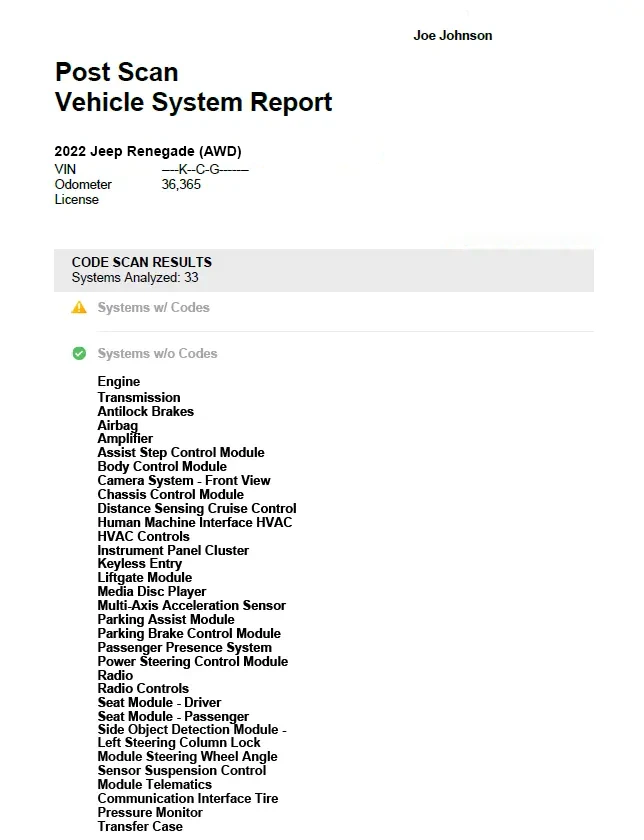
A pre-scan sets the foundation for a smooth workflow and demonstrates professionalism.
Technical Insight: Understanding the Jeep Renegade ACC Radar Recalibration
The Jeep Renegade’s adaptive cruise control system uses a forward-facing radar sensor mounted behind the front bumper. This radar continuously monitors the distance and relative speed of vehicles ahead to manage speed and maintain safe following distances.
Whenever the radar sensor, front bumper or control unit is replaced or adjusted, a static radar calibration is required to realign the system’s field of view to the vehicle’s thrust line and pitch angle. Using a Snap-on diagnostic tool, techs can access the active alignment procedure under ACC miscellaneous functions to perform this calibration. The process provides clear, on-screen guidance, ensuring the radar is properly aligned to OEM standards.
Before starting the test, set up the reflector (using EZ-ADAS or Tru-Point). The reflector will be aligned with the centerline of the vehicle, 1280mm away (+/- 50mm). Follow the onscreen instructions to complete the calibration.
New in the Latest Software Release
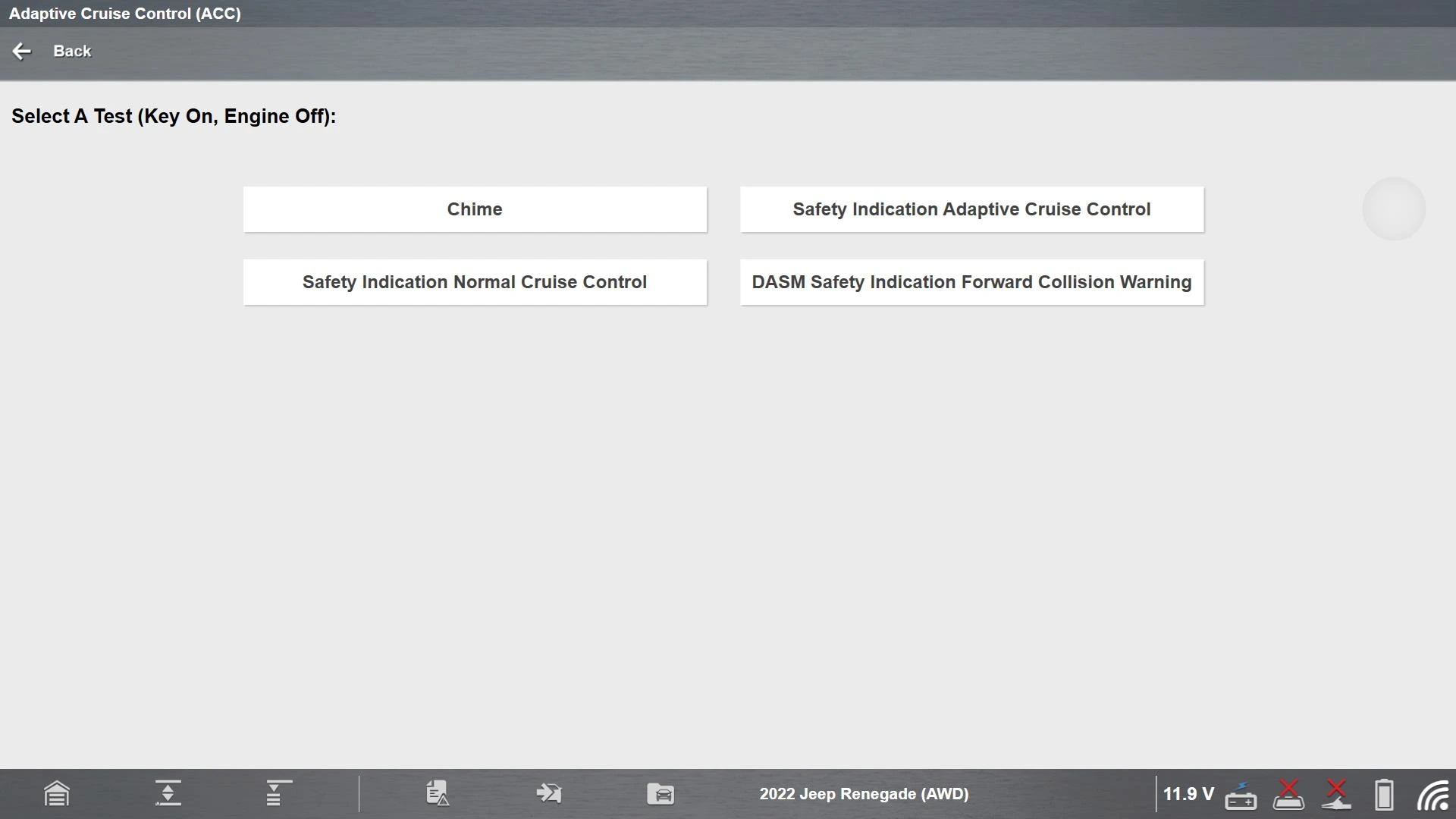
Snap-on diagnostic platforms now support adaptive cruise control module special functions, expanding the shop’s diagnostic capabilities.
Functional tests include:
• Chime Test: verifies system alert output
• Safety Indication: normal cruise control checks communication and display on the instrument cluster
• Safety Indication: adaptive cruise control confirms adaptive mode indicator operation
• DASM Safety Indication: forward collision warning validates forward collision alert response
Miscellaneous Procedure
Active alignment procedure required when:
• the radar sensor or ECU is replaced
• the front bumper or grille is removed or refitted
• rear axle convergence or front geometry changes occur
• a dedicated ADAS warning light is active
• wheels or tires are changed
These functions allow shops to perform complete ACC calibrations without external OEM tools, saving time while maintaining manufacturer compliance.
ADAS Target Setup: Precision Through John Bean EZ-ADAS or Tru-Point
For static calibration, accurate target setup is critical. Snap-on recommends John Bean EZ-ADAS or Tru-Point calibration systems, which ensure correct target positioning in accordance with OEM specifications.
Both systems use precision referencing to the vehicle’s thrust line, compensating for floor level variations and setup inconsistencies. This guarantees the radar’s alignment and field of view match the manufacturer’s parameters.
Quick fact: a radar sensor misaligned by just one degree can result in an error of more than 1.7 meters at a distance of 100 meters, making precise calibration essential for reliable system performance.

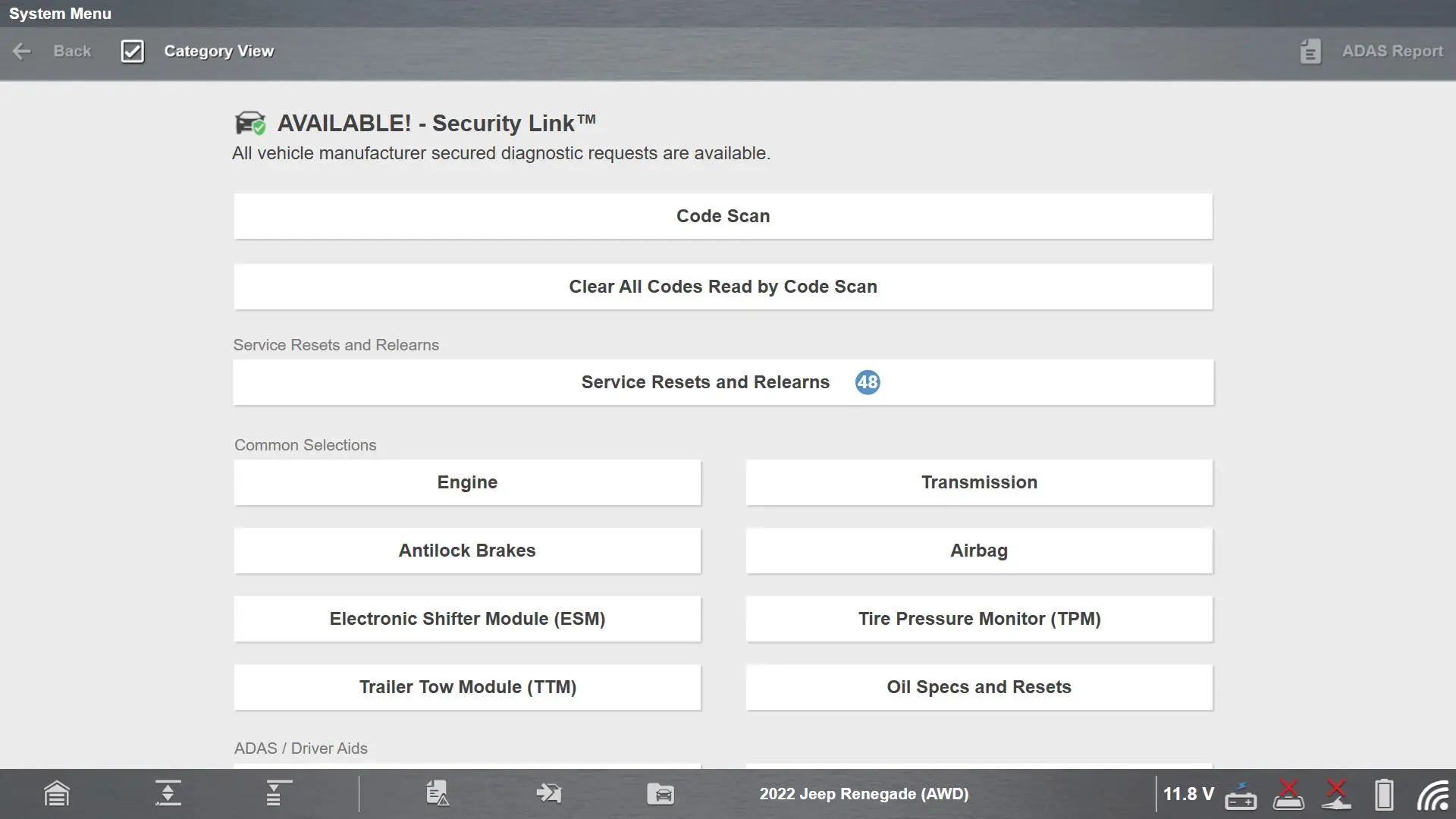
Secure Vehicle Gateway Access via Snap-on Security Link™

From 2018 onwards, many Chrysler, Dodge, Jeep and Ram (CDJR) vehicles require secure gateway access for key diagnostic and calibration functions. These gateways protect vital systems from unauthorized access, but they also restrict technicians from performing necessary procedures unless authenticated.
Snap-on has partnered with vehicle manufacturers to provide seamless secure access via Snap-on Security Link, integrated directly within the diagnostic platform.
This enables shops to perform OEM-secured operations such as ACC calibration, bi-directional controls and code clearing.
To ensure access:
1. Maintain an active AutoAuth account subscription
2. Link the tool via Technician Profile (Click here for a step-by-step guide)
3. Use the latest Snap-on diagnostic software
4. Keep a stable Wi-Fi connection throughout the process
Unlike generic tools that charge additional fees for secure access, Snap-on platforms provide Security Link connectivity at no additional cost, covering: Chrysler, Dodge, Jeep, RAM, Volkswagen, Audi, Mercedes-Benz, Nissan, Volvo, Ford, Hyundai and Kia.
Stay Current – Be Ready
Out-of-date software limits coverage and can prevent access to secure gateway vehicles. Each new Snap-on software release adds expanded ADAS functionality, updated calibration procedures and new vehicle coverage, ensuring techs always have the latest data to work confidently on today’s most advanced systems.
Conclusion
With static calibration support now available for the Jeep Renegade adaptive cruise control system, independent shops can perform radar calibration safely and efficiently in line with OEM procedures.
Snap-on diagnostic platforms combine precise guidance, secure gateway access and compatibility with professional ADAS equipment, giving technicians the power to deliver accurate, verified and confident repairs on every vehicle.
Click here for more on this topic.