Skip to Content
Main Content

Unlocking the Full Potential of Your Snap-on® Diagnostic Platform ® 

ADAS is now standard on most vehicles, with features like adaptive cruise control, lane keeping, and emergency braking designed to improve safety. As a technician working with a Snap-on® diagnostic platform, you have the tools to manage ADAS service and recalibration with precision. This article explores how your platform supports each stage—from fault detection to recalibration and reporting—so you can make the most of its capabilities. 


ADAS Sensor Overview  

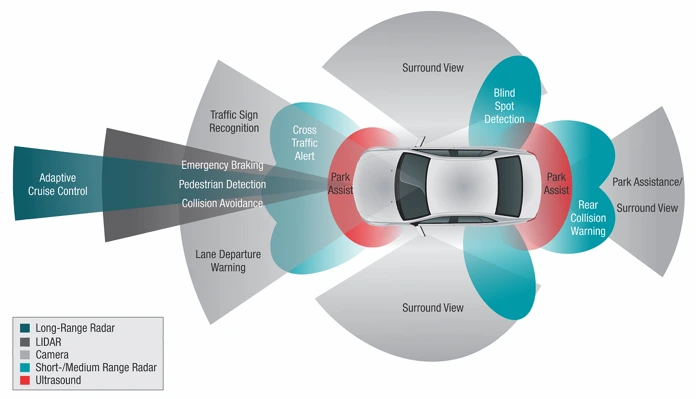
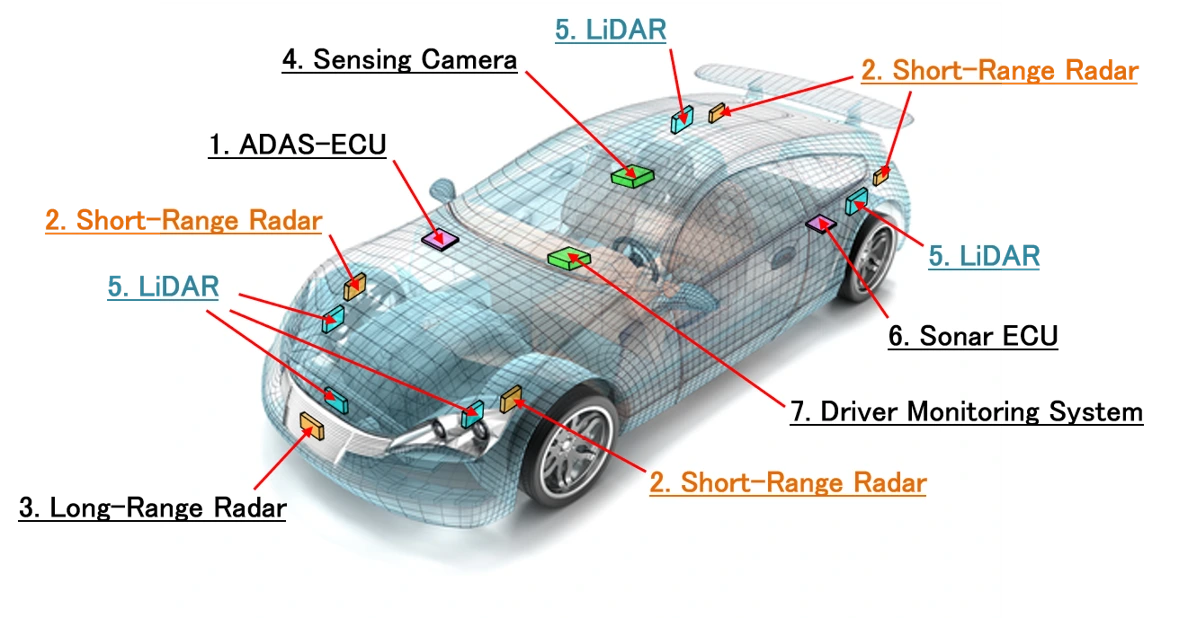
ADAS sensors include front and rear cameras, forward RADAR, ultrasonic parking sensors, and blind spot detection RADAR. These work together to monitor surroundings, aid manoeuvres, and enhance driver safety. 
 

ADAS Sensors


ADAS Systems


Understanding sensor configurations ensures precise recalibrations and thorough diagnostics, maintaining system reliability and driver safety. 


Routine Repairs, Critical Recalibrations 

ADAS components—cameras, RADAR, and ultrasonic sensors—must be precisely aligned. Minor repairs like bumper removal or suspension work can disrupt positioning. Recalibration restores accuracy. Without it, sensors can misjudge distances or lane positions, creating potential risks. 

With ADAS now standard, recalibration is a routine task. Your diagnostic tool supports safe, compliant repairs—and helps grow your service offering. 


ADAS Recalibration Methods Explained 

Your Snap-on® platform supports all three main recalibration types with built-in guidance: 

  • Static Recalibration: Uses physical targets (optional accessories) in the workshop at set distances and angles. The tool monitors and verifies system responses. 
  • Dynamic Recalibration: Performed while driving under specific conditions with real-time prompts and confirmation. 
  • Initialisation: Required after new component installation to align modules and sensors and set system parameters. 


Why is ADAS Recalibration Necessary?  

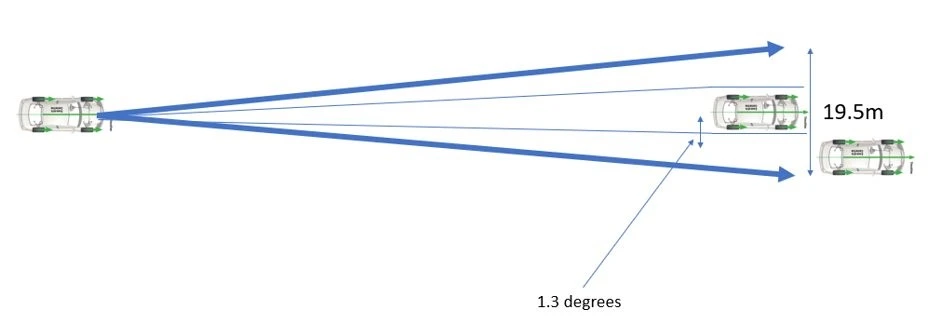
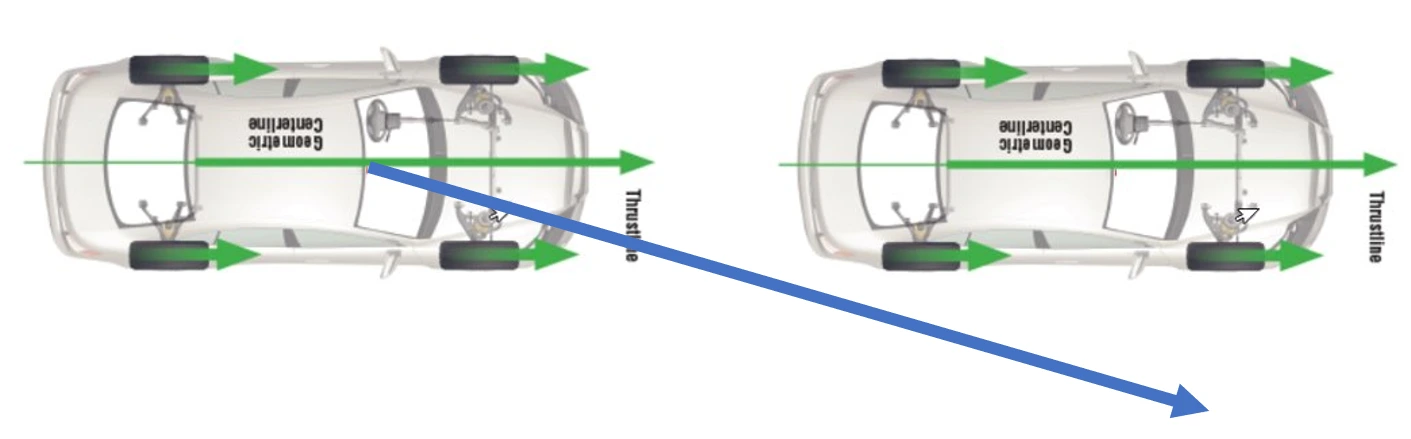
Consider a front-facing camera with a 7-degree field of view, covering about 19.5 metres at 160 metres distance. A motorway lane is around 3.65 metres wide; a small misalignment of roughly 2.2 millimetres can significantly affect the camera’s ability to correctly interpret lane markings or obstacles. 
 

Mis aligned camera


Even minor misalignments can cause hazards. Recalibration ensures systems function correctly. Each manufacturer has unique recalibration steps. Your Snap-on® tool simplifies this by delivering OEM-specific guidance tailored to the vehicle—reducing errors and saving time.  

Building a Consistent Diagnostic Workflow 

The recalibration process fits into a broader workflow: 

  1. Pre-scan: Identify fitted systems and fault codes 
  1. Repair: Replace or adjust components 
  1. Recalibrate: Perform required procedures with your Snap-on® platform and ADAS Recalibration Equipment 
  1. Post-scan: After completing the repair, perform a post-scan to confirm it was fixed properly 

This process applies whether addressing a single ADAS fault or a multi-system repair after a collision. 

ADAS workflow steps

Snap-on ZEUS

Small sensor misalignments can cause major issues. Your Snap-on® tool minimises risks by following steps and providing live feedback, including steering angle sensor resets often required after wheel alignment or suspension work. 


Creating the Right Conditions for Recalibration 

Accurate recalibration requires the right workshop setup: 

  • Space: Clear area for targets and access 

  • Lighting: Consistent for sensor recognition 

  • Level floor: To ensure accurate vehicle and target alignment 

  • Clear line of sight: No obstructions between sensors and targets 


Tools such as the SUN® EZ-ADAS™ Recalibration System and exclusive mobile app, support target placement and, with step-by-step instructions, OEM data and video tutorials for accurate setup. Where garages service a specific vehicle group, it may be practical to invest in dedicated targets suited to those vehicles.  


Maximising the value of Your Snap-on® Tool

Your tool includes: 

  • Vehicle-specific recalibration procedures 

  • Pre- and post-scan functionality 

  • Access to functional tests and relearns 

  • Step-by-step workflows 

  • Support for static, dynamic and initialisation calibrations 

  • Wi-Fi® enables tools on current software have access to Secure Vehicle Systems through Snap-on® Security Link™ for Nissan®, FIAT® Chrysler® Automobiles (FCA), Volkswagen® Audi® Group (VAG), Ford®, Renault® and Dacia®. 

The integrated service and repair information system helps identify fitted ADAS and provides technical data to carry out repairs correctly. 

The Importance of Service and Repair Information for ADAS 

Access to detailed OEM repair procedures is essential, especially after collision damage that can affect sensors and cameras. Following these ensures safe restoration of system functions. 


Snap-on® Information System Maintenance and Repair Information is an intuitive system that offers essential mechanical repair information, including step-by-step guides on “how to” direct from the OEMs including extensive ADAS coverage. Speak to your Snap-on® Franchisee for more information or click here.

Latest additions to the Spring Diagnostic Software Include: 

In the latest Spring 25 software release, over 17,000 new ADAS system coverage was added to our ever-expanding database available exclusively on your tool, only with the latest software release. 

  • 360° camera calibration on selected Audi®, Skoda®, Seat® and Volkswagen® models 

  • Mitsubishi® Blind Spot Warning tests 

  • BMW® Active Cruise Control (2002–2009 7 Series) 

  • Hyundai® Multi-Function Camera calibration 

  • Mazda® Smart City Brake Support 

Check out our online coverage guide for full coverage and latest capabilities you have with the latest software: https://uk.snaponcoverage.com

Live, on-the-tool demonstrations are also available—see examples on the Snap-on Diagnostic YouTube channel. 

2019 BMW X5 (F15):