Completing internal gearbox work involves more than installing replacement components. An Intelligent Manual Transmission may continue using learnt values established around the condition of the components that have been removed.
If the applicable values are not cleared, the repaired gearbox may feel harsh or notchy. More severe outcomes can include difficult or impossible gear changes and lack of drive, potentially without a relevant diagnostic trouble code.
The mechanical repair may therefore be complete while the electronic post-repair setup is not.
What Is an Intelligent Manual Transmission?
An Intelligent Manual Transmission, or IMT, combines a conventional manual gearbox with electronically controlled clutch operation.
The driver continues to select the gears, while sensors and a transmission controller manage clutch engagement and disengagement through an actuator.
Unlike a traditional manual transmission, the driver does not operate a clutch pedal. Unlike an Automated Manual Transmission, gear selection remains with the driver.
This provides the engagement and driver control of a manual gearbox while reducing the effort required during everyday driving.
What Are IMT Learnt Values?
During normal operation, the transmission can establish learnt values around the gearbox’s existing condition. These values may reflect the operating characteristics of components that have experienced wear.
When a worn internal component is replaced, the mechanical condition changes immediately. The previous learnt information may remain, however, leaving the transmission operating with values established around a component that is no longer installed.
Where specified, clearing the learnt information allows the post-repair setup to begin from a reset state rather than continuing to use values associated with the previous components.
The exact information learnt by the transmission and the functions required after a repair vary by vehicle. Technicians should always confirm the relevant manufacturer information and vehicle-specific diagnostic requirements.
Why Letting the Gearbox Relearn Is Not Enough
A common assumption is that the gearbox will eventually relearn and smooth itself out without intervention.
Although some self-learning may occur, this could take hundreds of miles. Relying on extended customer driving is not a controlled way to complete or verify a workshop repair.
During that period, the customer may continue to experience poor gearbox operation and return to the workshop believing that the new component or original repair is at fault. Technicians should instead identify which reset, relearn, adaptation or filling function applies before returning the vehicle to the customer.
When Post-Repair Functions Are Required
Different types of gearbox work can require different post-repair functions.
Following replacement of a worn internal gearbox component, IMT Clear Learning Value clears information established around the condition of the component that was removed.
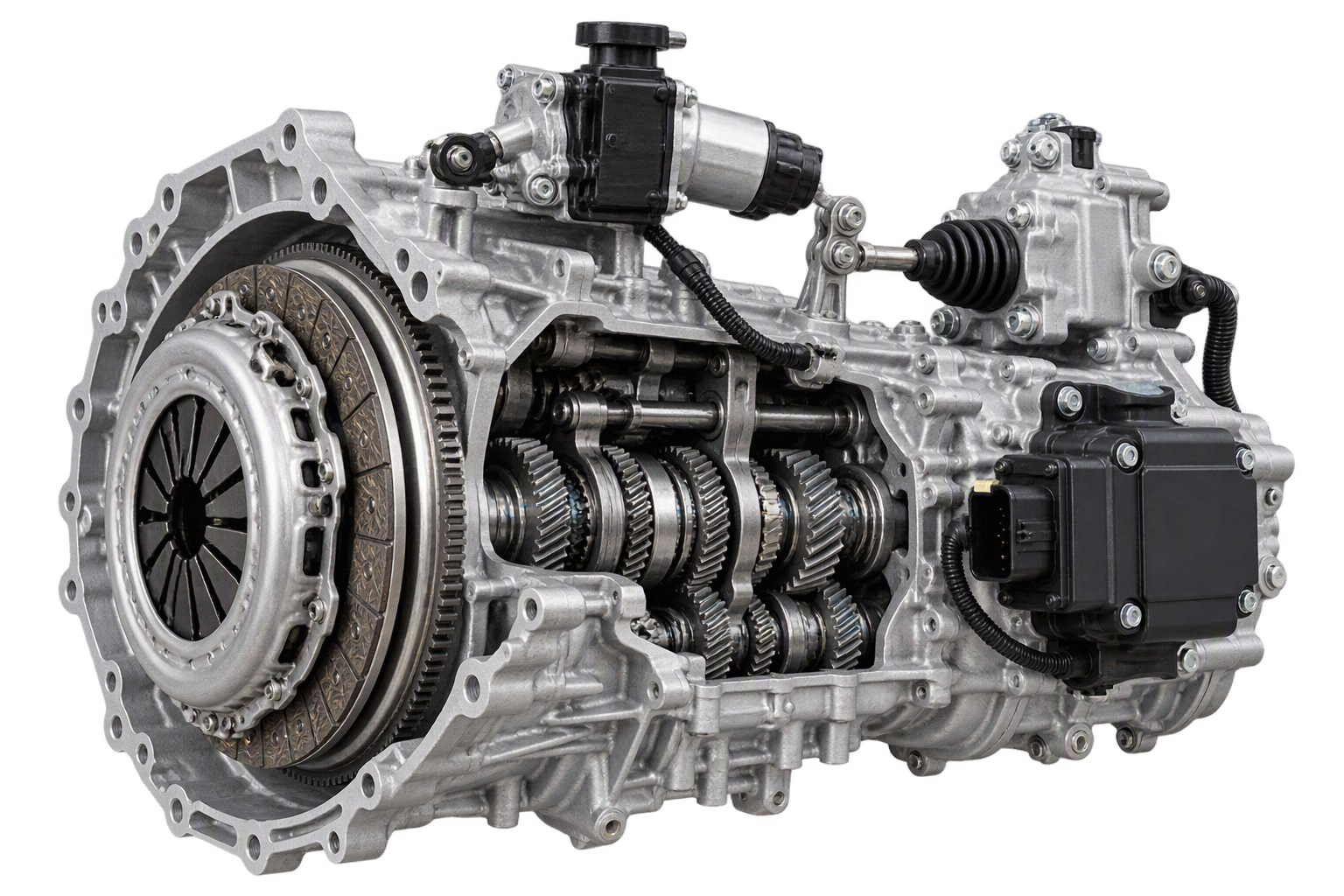
Following a transmission oil service, or a repair where fresh transmission fluid has been added, IMT Filling Check supports completion of the filling process and helps purge trapped air.
Different types of gearbox work can require different post-repair functions.
Following replacement of a worn internal gearbox component, IMT Clear Learning Value clears information established around the condition of the component that was removed. Following a transmission oil service, or a repair where fresh transmission fluid has been added, IMT Filling Check supports completion of the filling process and helps purge trapped air.
If the required function is missed, the gearbox may feel harsh or notchy without storing a relevant DTC. This can lead the technician to question the mechanical repair or remove the new component to check its fitment again. The functions required depend on the vehicle, transmission and work completed.
IMT Clear Learning Value
IMT Clear Learning Value applies where specified after worn internal gearbox components have been replaced. The function clears previous learnt information so the transmission is no longer working with values established around the condition of the removed components.
It should not be treated as a generic fix for every gearbox or shift-quality concern. Confirm that the vehicle and repair support the function, review the applicable manufacturer information and follow every instruction displayed by the diagnostic tool.
IMT Filling Check
IMT Filling Check applies during specified gearbox servicing or following repairs where fresh transmission fluid has been added. Adding the specified quantity of fluid alone may not complete the required filling process. The function helps purge trapped air and supports the required process following replacement-actuator work.
If air remains present, clutch disengagement may not be possible, potentially leaving the vehicle unable to drive after the repair. Follow every condition displayed by the diagnostic tool. This may include the use of a battery maintainer during the filling process.
Case Study: Hyundai Kona and i20 IMT Service Functions
Snap-on® Diagnostic Software includes IMT Clear Learning Value and IMT Filling Check for identified 2021 onward Hyundai Kona and Hyundai i20 vehicles. Check current vehicle, transmission, diagnostic platform and software coverage before beginning the repair.
Important: The steps below summarise the diagnostic tool workflow for the featured application. They are not a substitute for the complete manufacturer repair procedure. Use them only on a supported vehicle and repair, and follow the current manufacturer service information, tool instructions and all specified safety precautions.
On a Snap-on® diagnostic tool, complete the functions in the following sequence:
- Replace the applicable component.
- Carry out IMT Clear Learning Value.
- Carry out IMT Filling Check.
IMT Clear Learning Value
From the transmission System Tests menu, select IMT Clear Learning Value.
This function resets the Auto T/A adaptive values following applicable component replacement.
Before selecting Continue, confirm the prerequisites displayed by the diagnostic tool:
- Ignition switched on
- Engine switched off
- Transaxle range in Neutral
- Parking brake applied
- Vehicle speed at 0 km/h
- Clutch and brake pedals released
- No DTCs present
- Battery voltage at 10 V or higher
Select Continue. The diagnostic tool will ask for confirmation before resetting the Auto T/A values. Confirm the instruction and follow the on-screen prompts until the function is complete.
IMT Filling Check
Before starting IMT Filling Check, complete IMT Clear Learning Value. This IMT Filling Check function checks for air remaining after fluid has been added to the Intelligent Manual Transmission system and runs the process required to remove it.
Carry out IMT Filling Check following:
- Transmission replacement
- Clutch replacement
- Replacement or reassembly of a hydraulic component
- Transmission oil replacement
- Transmission control unit replacement
- Erasure of the learning values
Before beginning the procedure, confirm that the fluid in the reservoir is above the minimum level. A separate power supply may be required while the function is running to prevent the battery voltage from dropping too low. The filling procedure may require work on the hydraulic line. This must be carried out only where specified in the current manufacturer service information and exactly in accordance with the prescribed procedure and safety precautions. Select Continue on your Snap-on® diagnostic tool and follow the on-screen prompts.
Once the Filling Check is complete, check the reservoir level again. If the fluid is below the maximum level, top it up in accordance with the applicable vehicle service information. After completing the function, check the reservoir again. If the fluid is below the maximum level, top it up in accordance with the applicable vehicle service information.
Replacement-Actuator Break-In
If a new actuator has been fitted, the diagnostic tool will provide the option to carry out the actuator break-in procedure. Select Next and follow the on-screen prompts.
If the work only involved the clutch pack or hydraulic system and no new actuator was installed, select Exit when prompted. Continue until the diagnostic tool confirms that the applicable procedure has been completed.
Complete the Post-Repair Setup
Replacing the component is only one stage of an IMT repair. Where specified, technicians must also clear the previous learnt values and complete the applicable filling process. Checking the available transmission service functions and following the vehicle-specific instructions helps ensure that both the mechanical repair and post-repair setup are completed before vehicle handover.
Explore Current Vehicle Coverage
Recommended Diagnostic Tool for This Task
USAGE
1-2 Times a Week
EXPERIENCE LEVEL
Established
TECHNICIAN ROLE
General Repair Technician
ADDITIONAL FEATURES
Service Resets, Fluid Capacities, Pulling Simple Codes, Remove & Replace Components, Relearns, Testing Sensors, Multi-code Problems, Driveability Issues
I'm Interested
Related Resources for IMT Servicing
FAQ’s
1) Why should IMT learnt values be reset after a gearbox repair?
Following replacement of a worn internal gearbox component, the transmission may retain learnt values associated with the condition of the removed part. Where specified, IMT Clear Learning Value resets this information so the post-repair setup can be completed for the repaired gearbox.
2) What can happen if the IMT Clear Learning Value function is missed?
The gearbox may remain harsh or notchy even when the mechanical repair has been completed correctly. Difficult or impossible gear changes and lack of drive may also occur, potentially without a relevant diagnostic trouble code.
3) Will an Intelligent Manual Transmission relearn on its own?
Some self-learning may occur, but it could take hundreds of miles. Technicians should check whether the vehicle requires a specified reset or relearn rather than relying on extended customer driving to complete the post-repair setup.
4) When is IMT Filling Check required?
IMT Filling Check applies to specified gearbox servicing or repairs where fresh transmission fluid has been added. Adding the specified fluid quantity alone may not complete the filling process. The function helps purge trapped air and supports the required process following replacement-actuator work.
5) Which Hyundai vehicles feature in this case study?
The case study covers identified 2021 onward Hyundai Kona and Hyundai i20 vehicles with IMT Clear Learning Value and IMT Filling Check. Exact vehicle, transmission, diagnostic platform and software coverage should be checked using the current Vehicle Coverage Guide before beginning the repair
*This article is intended for informational purposes only and provides general technical insight. It is not intended to serve as step-by-step repair, service or diagnostic instruction. Always follow manufacturer-approved procedures and safety guidelines. Consult the relevant vehicle manufacturer’s service information when carrying out diagnosis, maintenance, servicing or repairs.
Snap-on® diagnostic coverage and functionality may vary by vehicle, model year, transmission, software version and platform. References to vehicle manufacturers, models and trademarks are for identification and compatibility purposes only and do not imply affiliation with or endorsement by the respective trademark owners. Some illustrations in this article are AI-generated and are provided for general explanatory purposes only; they are not manufacturer schematics and should not be relied on for component identification or repair instructions