Modern automatic transmissions are more sophisticated than ever before. Whether carrying out routine servicing, repairing a leak or completing a major repair, following the manufacturer's recommended service procedure has never been more important.
Today's transmissions rely on electronics, sensors, solenoids and adaptive control strategies to optimise performance and drivability. As a result, many service and repair tasks now require software-guided procedures, adaptations and verification routines in addition to the mechanical work itself.
This Technical Focus explores why these procedures matter, common mistakes technicians make, and how following the correct workflow helps support reliable repairs and long-term transmission performance.
Transmission Types Overview
Modern vehicles use several transmission architectures, each with its own operating characteristics and service requirements.
Conventional Automatic Transmission (AT)
Uses hydraulic pressure, clutch packs, a torque converter and planetary gearsets to provide smooth gear changes. These remain one of the most common transmission types on the road today.
Dual-Clutch Transmission (DCT)
Uses two clutches and separate gear sets to deliver rapid gear changes and improved efficiency. Accurate adaptations and calibration procedures are often required after repairs.
Mechatronics-Controlled Automated Manual Transmission (AMT)
Uses a manual gearbox with electronically controlled clutch and gear operation. A mechatronics unit actuates the clutch and shift mechanisms automatically, with correct servicing often requiring fluid verification, calibration and adaptation procedures following repairs.
Continuously Variable Transmission (CVT/IVT)
Uses variable pulleys and a belt or chain to provide a near-seamless range of gear ratios. These systems are particularly sensitive to fluid condition, pressure control and relearn procedures.
Regardless of transmission type, modern systems increasingly rely on electronic controls, adaptive strategies and manufacturer-specific service procedures to ensure correct operation.
Transmission Servicing Has Changed
Historically, transmission servicing often consisted of:
Following these procedures is essential whether carrying out routine maintenance or major repairs. As transmission technology has evolved, so too has the importance of following the manufacturer's recommended workflow.
Automatic Transmission System Overview
Modern automatic transmissions are controlled by a Transmission Control Module (TCM) or Powertrain Control Module (PCM), which uses data from multiple sensors and inputs to manage hydraulic pressure, gear selection and shift quality.
Unlike older hydraulic-only systems, modern transmissions continuously monitor operating conditions and adjust their behaviour using adaptive strategies. This allows manufacturers to optimise drivability, efficiency and transmission performance.
Key Transmission Components
Gear Selection Systems
Modern vehicles may use traditional selector levers, rotary dials, button shifters or steering-column-mounted selectors. Regardless of design, these systems communicate the driver's gear request electronically to the transmission controller. Incorrect range information can affect transmission operation and may prevent certain service functions from being performed correctly.
Shifter Types
Modern vehicles use a variety of electronic shifter designs, including push-button selectors, rotary dials, column-mounted shifters, sport-mode gear selectors and paddle shifters. Although the physical layouts vary, they all communicate the driver's gear request electronically to the Transmission Control Module (TCM), making scan-tool verification of PRNDL status and range data an important part of modern transmission diagnosis and servicing.
Some systems communicate range information across vehicle networks, meaning communication faults, initialization issues or wiring concerns can result in incorrect gear position information or prevent certain service functions from operating correctly.
Temperature Sensors
Transmission fluid temperature influences shift quality, pressure control and fluid level verification. Many service functions and oil level procedures require the transmission to be within a specific temperature range before the procedure can be completed accurately.
Speed Sensors
Input and output speed sensors allow the controller to monitor gear ratios, shaft speeds and clutch operation. The data from these sensors is used to calculate transmission performance and support adaptive learning strategies.
Solenoids
Solenoids control hydraulic circuits and transmission pressures. Modern transmissions typically use a combination of on/off and pressure-control solenoids to manage clutch engagement, shift timing and hydraulic pressure.
Adaptives
Modern TCMs continuously learn clutch fill times, pressure requirements and operating characteristics. Following repairs, software updates or component replacement, these learned values often need to be reset and relearned.
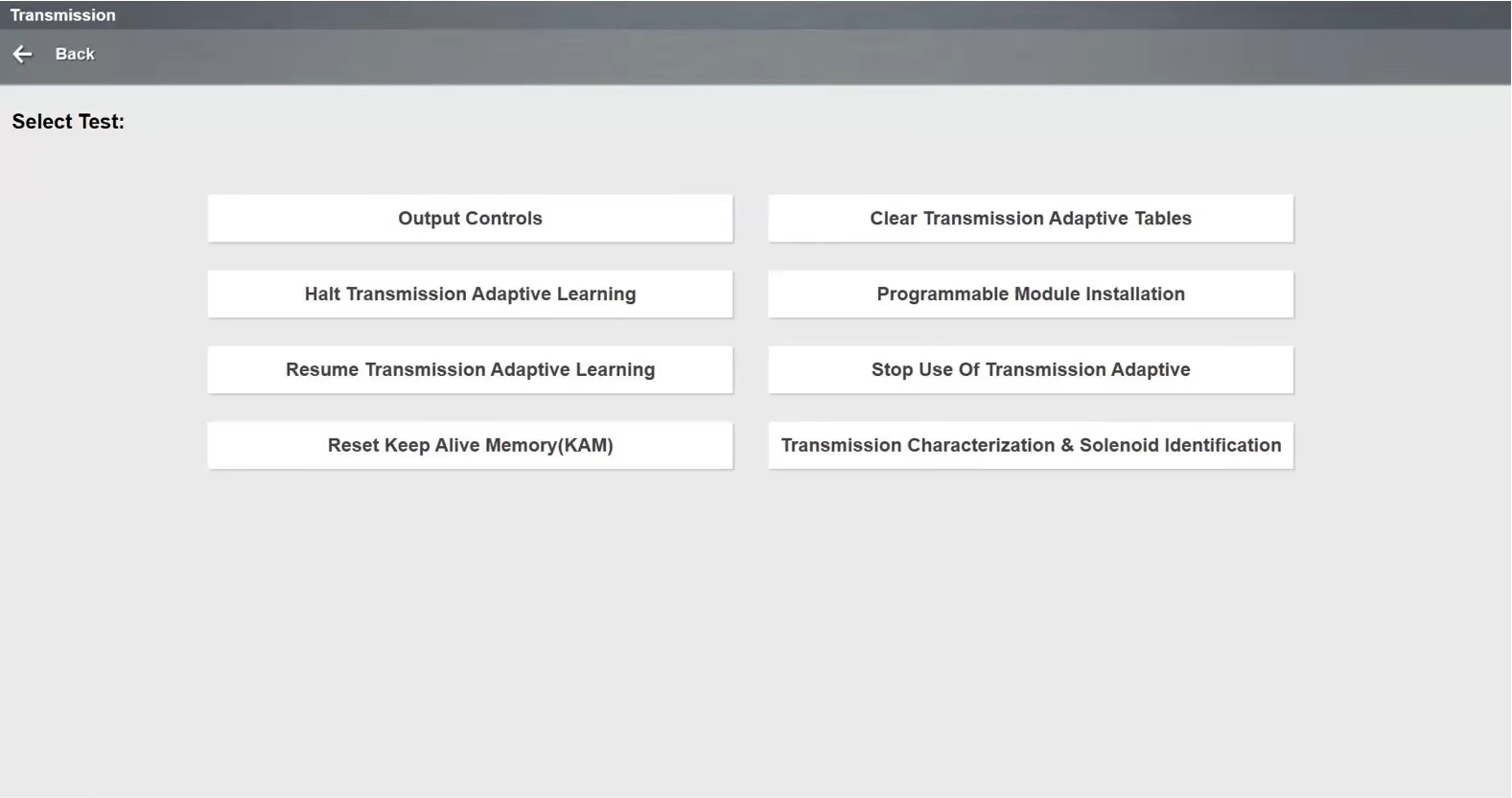
Functions such as Transmission Characterisation and Solenoid Identification help ensure replacement components are correctly recognised and calibrated following repairs.
Why Modern Transmissions Require More Than Mechanical Repairs
Modern transmissions frequently require additional procedures before the job is complete.
These may include:
Skipping these procedures can leave the transmission operating with incorrect learned values, resulting in:
In many cases, the transmission itself is not faulty. The system simply has not been configured correctly following the repair.
Why Relearn Procedures Matter
Many technicians still associate transmission work primarily with mechanical repairs. However, modern transmissions frequently require additional procedures before the job is complete.
Post-repair functions may include:
Skipping these procedures can leave the transmission operating with incorrect learned values.
Common Symptoms of Missing Relearn Procedures
In many cases, the transmission itself isn't faulty, the system simply hasn't been configured correctly following the repair.
Not Every Transmission Uses the Same Procedure
One of the most common workshop mistakes is assuming that every transmission follows the same service process. Modern transmissions can differ significantly between manufacturers and even between transmission variants within the same vehicle range.
Differences may include:
Similar doesn't mean identical
Two transmissions may look virtually identical externally, yet require completely different fluids, temperatures and oil-level procedures. Technicians should always verify the applicable manufacturer's service information before beginning any transmission service or repair. Snap-on diagnostic tools are intended to support, not replace, manufacturer repair procedures.
An experienced technician understands that every repair should begin by checking the correct technical information rather than relying on assumptions.
Real-World Examples of Transmission Service Procedures
Different manufacturers use different approaches following repairs.
Examples include:
These functions allow the control module to relearn the operating characteristics of the repaired transmission and help restore shift quality.
Modern Fluid Checks Require More Than a Dipstick
Modern transmission fluid does far more than lubrication. It provides cooling, hydraulic control and clutch operation. As a result, even small fluid level errors can affect shift quality, hydraulic pressure and component durability.
Many modern transmissions require:
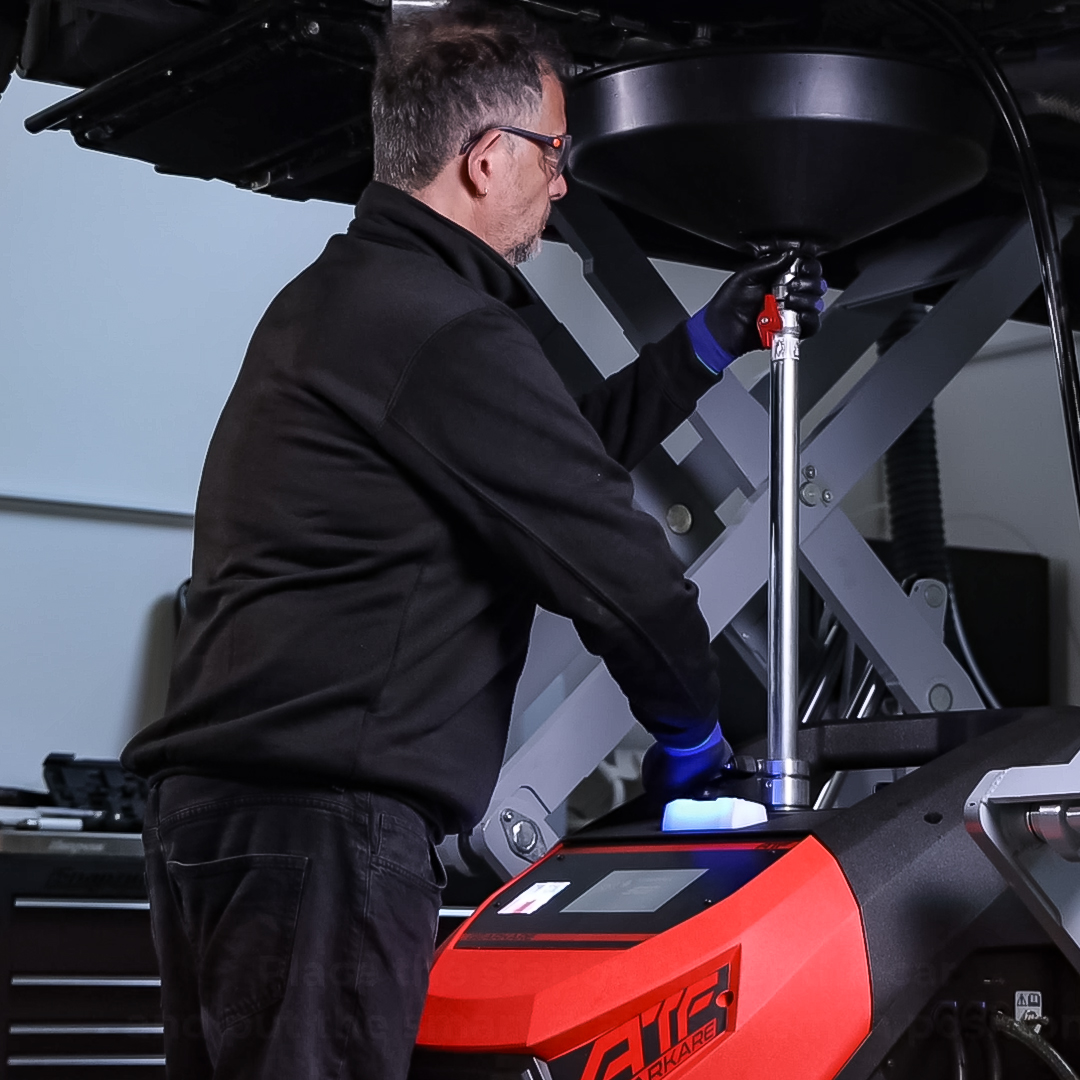
The goal is not simply to check the fluid level, but to verify it under the correct conditions.
Achieving the correct fluid level starts with good servicing practices. Alongside following the manufacturer's procedure, dedicated fluid handling equipment such as the SUN® ATF GearKare System can assist technicians during transmission fluid service and replacement procedures, helping support accurate fluid management throughout the job.
Unlike a traditional drain-and-fill service, which only replaces a portion of the transmission fluid, the SUN® ATF GearKare performs a more complete fluid exchange than a conventional drain-and-fill procedure. This helps remove degraded fluid and contaminants from areas that are not typically serviced through gravity draining alone, before replenishing the system with fresh ATF.
The result is a more thorough service that helps support effective lubrication throughout the transmission and support smooth, consistent gearbox operation.
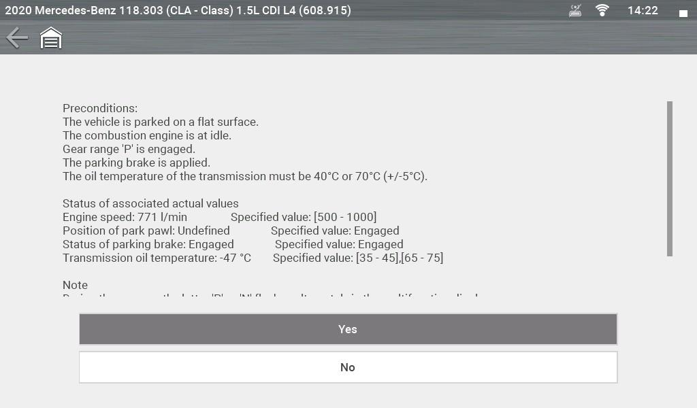
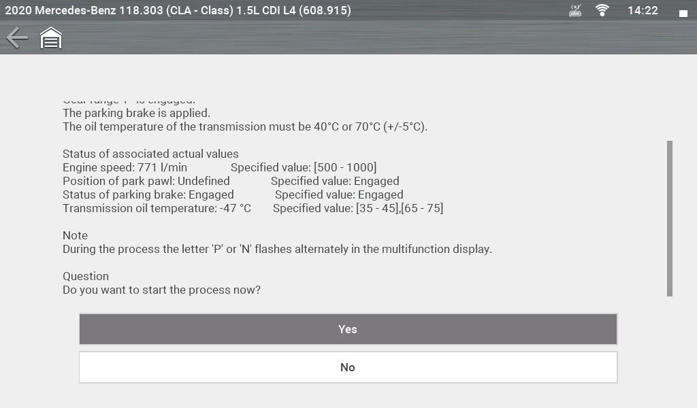
Mercedes-Benz® Oil Level Check Special Function

Many modern transmissions require significantly more than a simple dipstick check to verify fluid levels.
For example, the TCM7FDCT transmission fitted to certain Mercedes-Benz models requires the transmission to be correctly pre-conditioned before an accurate fluid level measurement can be taken.
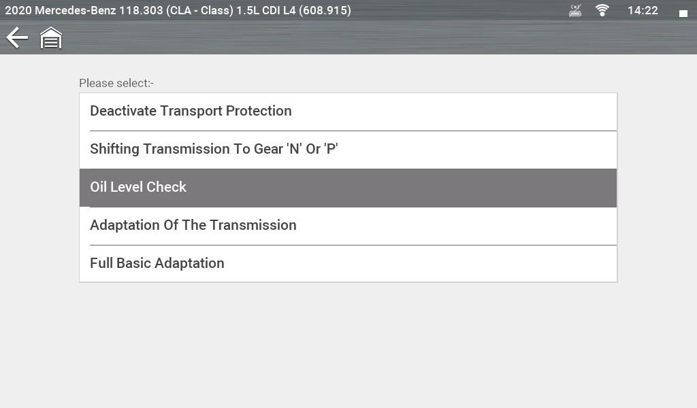
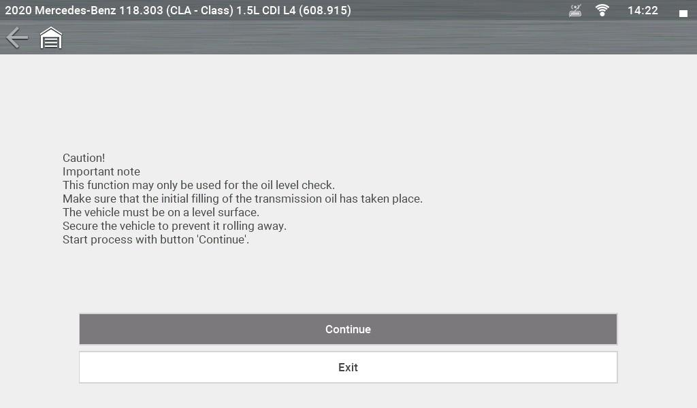
The current Snap-on diagnostic software includes an Oil Level Check Special Function for the 2019> Mercedes-Benz CLA 250 (118), helping technicians guide the transmission through the required procedure before taking a fluid level measurement. This is intended to help ensure the gearbox is checked under the manufacturer's recommended conditions, reducing the risk of incorrect fill levels and the shift quality concerns that can follow.
Operational steps:
The following example is intended for illustrative purposes only. Technicians should always refer to the latest manufacturer service information for the applicable vehicle. After initial filling, vehicle must be level, engine at idle and in park, parking brake on, oil temperature between 40 to 70 degrees celsius (this is shown on the tool), then, follow the scantool prompts.
Why Snap-on Special Functions and Service Resets and Relearns Matter
Modern diagnostic software helps reduce uncertainty by guiding technicians through manufacturer-specific procedures.
Benefits include:
Instead of relying on assumptions, technicians can follow the correct workflow for the vehicle being serviced. Wireless diagnostic platforms can make these procedures even easier by allowing technicians to move freely around the vehicle while monitoring temperatures, fluid levels and service functions.
This improves:
Don't Rush the Process
Many transmission-related problems occur not because the repair was incorrect, but because the final service procedures, fluid checks or adaptation routines were rushed or skipped.
Taking the time to complete the process properly helps:
The final verification procedure is often just as important as the mechanical repair itself.
Verification Procedures: The Key to Reliable Transmission Repairs
Modern transmission servicing involves far more than replacing parts and topping up fluid. From fluid level verification and temperature monitoring to adaptations and calibration procedures, following the correct manufacturer process is essential to ensure reliable operation.
Whether carrying out routine maintenance, repairing a leak or rebuilding a gearbox, taking the time to complete the required verification procedures can improve drivability, prevent costly comebacks and helps improve the likelihood that the repair is completed correctly the first time when manufacturer procedures are followed.
Related Transmission Content
FAQ’s
1) Why do modern transmissions require relearn procedures?
Modern transmission controllers continuously adapt to wear and operating conditions. After servicing or repairs, these learned values may no longer be accurate and must be updated to match the transmission's current condition.
2) What happens if transmission adaptations are not performed?
Shift quality concerns such as harsh shifting, delayed engagement, clutch slip or poor drivability may occur.
3) Are all transmission fluid level procedures the same?
No. Different manufacturers often specify unique fluid types, temperatures, operating conditions and measurement procedures.
4) Why are scan tools important for transmission servicing?
Modern scan tools provide access to adaptations, relearns, fluid level verification procedures, temperature monitoring and manufacturer-specific service functions.
5) Can an incorrect transmission fluid level cause transmission damage?
Yes. Both underfilling and overfilling can affect hydraulic pressure, shift quality, lubrication and component durability, potentially leading to costly repairs.
*This article is intended for informational purposes only and is designed to provide general technical insight. It is not intended to serve as step‑by‑step repair or diagnostic instruction. Always follow manufacturer‑approved procedures and safety guidelines when carrying out vehicle diagnostics or repairs.
Technicians should always consult the relevant vehicle manufacturer's service information when carrying out diagnosis, servicing or repairs.
Mercedes-Benz is a registered trademark of Mercedes-Benz Group AG. Any reference to vehicle manufacturers, models or trademarks is for identification and compatibility purposes only and does not imply any affiliation with or endorsement by Mercedes-Benz Group AG.